
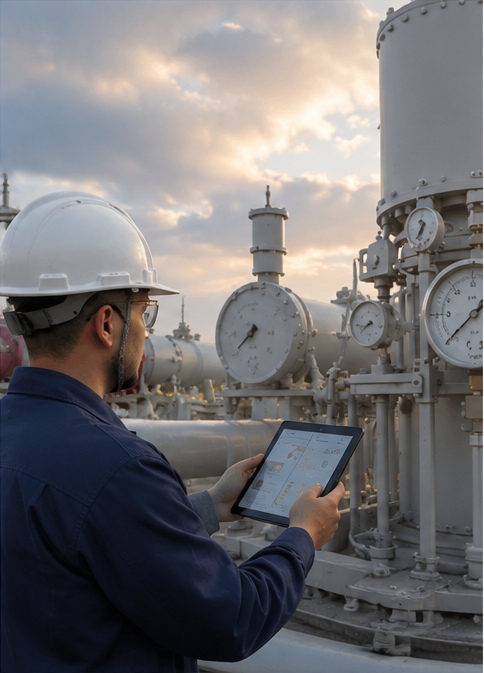
In industries such as oil & gas, chemical processing, mining, and marine, equipment must operate safely in potentially explosive atmospheres. Explosion-proof connectors are critical components that ensure reliable power, signal, and data transmission while preventing ignition risks.
1. Understand the Environment
Identify the hazardous area classification (Zone 1, Zone 2, Zone 21, Zone 22), gas/vapor groups, and temperature class. This determines the type of protection required for your application.
2. Verify Certifications
Ensure the connectors are certified to international standards such as ATEX, IECEx, UL, or CNEx. Certified products help ensure safety, compliance, and global project compatibility.
Ex
ATEXCertified
IECEx
IECExCertified
3. Consider Material & Durability
Connectors should be made from corrosion-resistant materials such as brass, nickel-plated brass, or stainless steel. High IP ratings help protect against dust, water, and harsh industrial conditions.
4. Match Electrical Requirements
Check the voltage, current, and number of contacts to ensure compatibility with your equipment. A wide range of configurations helps meet diverse installation needs.
5. Choose a Reliable Manufacturer
Work with an experienced manufacturer who provides complete solutions, strict quality control, and professional technical support.
✓
Choosing the right explosion-proof connector is essential for safety, compliance, and long-term performance.