Substation test equipment sourcing
High Voltage Test Equipment - Sourcing and RFQ Checklist
High voltage test equipment should be sourced by voltage class, test type, accuracy, portability, standard, and calibration service need. A complete RFQ helps engineers compare AC, DC, impulse, and diagnostic equipment for factory tests, site tests, and maintenance work without mixing different duty requirements.
Direct answer
High voltage test equipment should be sourced by voltage class, test type, accuracy, portability, standard, and calibration service need. A complete RFQ helps engineers compare AC, DC, impulse, and diagnostic equipment for factory tests, site tests, and maintenance work without mixing different duty requirements.
Key Specifications / Technical Parameters
High voltage test equipment RFQs should start with the test duty, not only the product name. Engineers need to define voltage class, AC or DC output, impulse requirement, accuracy, control method, portability, safety interlock, certification standard, and calibration service before comparing supplier offers.
| Parameter | Typical options | RFQ notes |
|---|---|---|
| Voltage class | Low kV service test to higher substation test ranges | State rated output and actual test level separately. |
| Test type | AC withstand, DC withstand, impulse, partial discharge, transformer test | Match equipment type to the required standard and workflow. |
| Accuracy | Routine field grade, commissioning grade, lab reference grade | Accuracy should match the acceptance decision. |
| Portability | Benchtop, trolley, split unit, vehicle transport | Field teams need weight, dimensions, and power input. |
| Control and safety | Manual control, digital control, interlock, emergency stop | Include site safety and operator requirements. |
| Certification | IEC-related standard, CE, calibration certificate | Ask for applicable documents without inventing certificate numbers. |
Applications
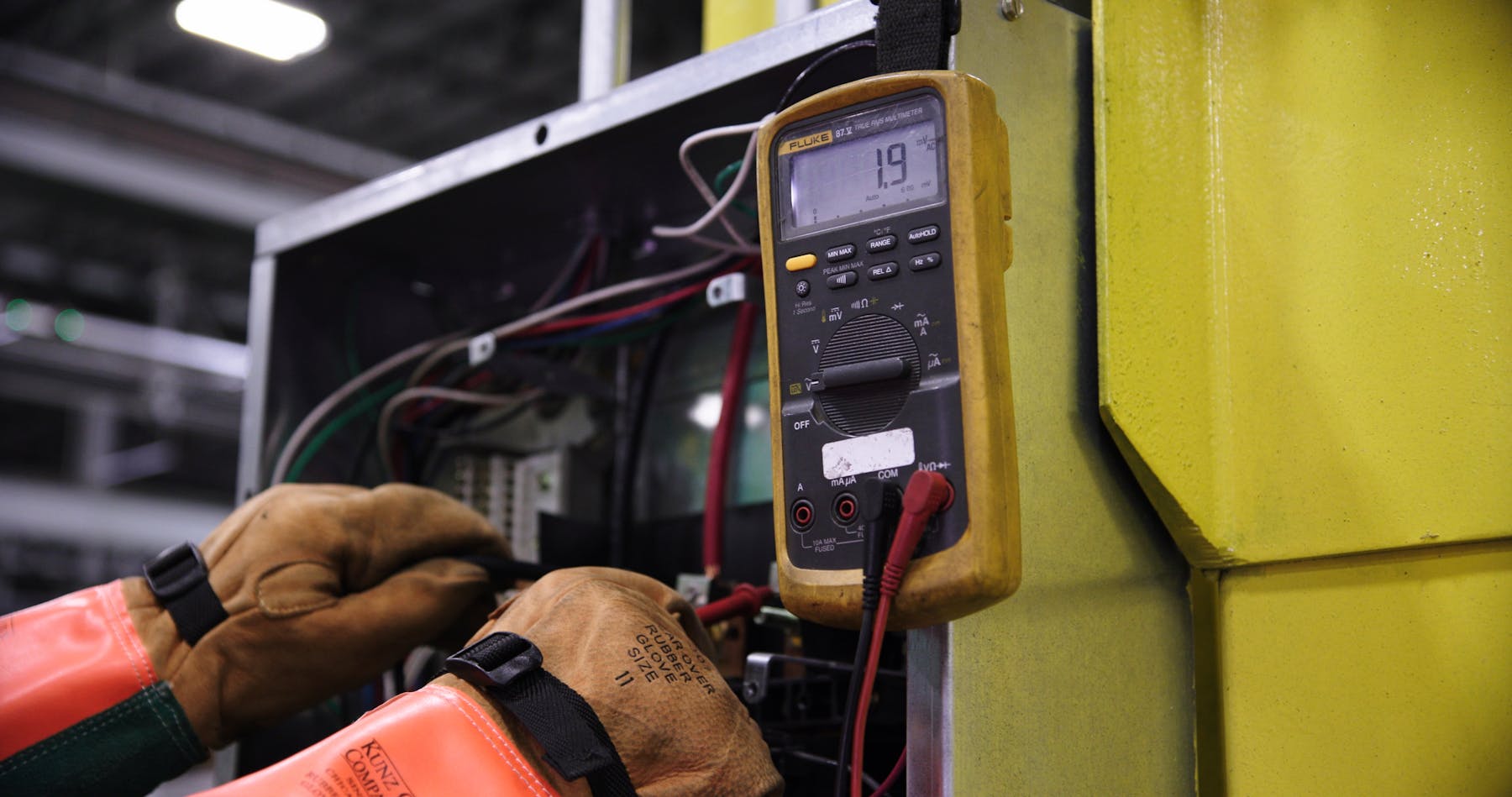
Factory test teams use test sets for acceptance checks before equipment leaves production. Substation contractors use portable units for commissioning and site acceptance. Maintenance teams use diagnostic tools to find insulation weakness, confirm repair quality, or plan shutdown work.
The RFQ should point buyers to the high voltage test equipment category, related transformer testing commissioning, and diagnostic workflows such as partial discharge insulation diagnosis. Those links keep the test type and application from drifting apart.
How to Choose
Choose AC, DC, or impulse by the required standard and equipment under test. AC withstand testing is common for insulation stress close to service conditions. DC testing may fit cable or specific maintenance workflows. Impulse testing is a different duty and should not be treated as a higher version of a routine AC set.
Choose voltage and capacity together. Rated output alone is not enough if the load, duty cycle, or test duration is unclear. Share object type, capacitance when relevant, test duration, and site power supply so the supplier can confirm the test set configuration.
Choose portability by work location. A factory bench can accept heavier equipment and stable power. Field testing may need split modules, rugged cases, trolley movement, and clear lifting points. Ask for packing dimensions when equipment must move between substations.
Choose calibration and documents by audit needs. Acceptance testing often needs traceable records, manuals, and calibration evidence. Maintenance teams may also need service support and spare parts planning for long-term use.
Why Choose Hongzhe Electrical
- Test duty review: align voltage class, output type, capacity, and application before quote comparison.
- Field practicality: discuss weight, power input, packing, accessories, and operator safety for site use.
- Documentation support: prepare manuals, calibration evidence, packing lists, and compliance documents for buyer review.
- Application range: support factory tests, site commissioning, maintenance diagnosis, and transformer-related workflows.
FAQ
How do I choose AC vs DC vs impulse test equipment?
Start with the required standard and object under test. AC, DC, and impulse tests serve different duties, so they should be specified separately in the RFQ.
What information is needed for a voltage class quote?
Provide rated output, actual test level, object type, test duration, load details when known, input power, and whether the unit is for field or factory use.
Should portability be specified?
Yes. Weight, dimensions, trolley design, split-unit configuration, and packing affect whether the equipment can be used safely at substations or workshops.
What calibration information should be requested?
Ask for calibration certificate details, service interval, language needs, and available after-sales support. Do not invent certificate numbers or unsupported standards.
Request a high voltage test equipment RFQ - include voltage class, test type, object under test, accuracy, portability, standard, and calibration service needs.