GIS Substation Maintenance - A Practical Checklist for Field Teams
GIS substation maintenance should combine gas handling, insulation checks, contact condition, mechanical inspection, and records. A checklist helps field teams plan outage work, select tools, avoid missed measurements, and create evidence that supports later reliability decisions and RFQ planning clearly.
Direct answer
GIS substation maintenance should combine gas handling, insulation checks, contact condition, mechanical inspection, and records. A checklist helps field teams plan outage work, select tools, avoid missed measurements, and create evidence that supports later reliability decisions and RFQ planning clearly.
What should a GIS maintenance checklist include?
A GIS maintenance checklist should cover SF6 gas condition, leak inspection, partial discharge screening, contact resistance, insulation tests, mechanical operation, auxiliary circuits, and documentation. The goal is not to collect random readings, but to connect each measurement with a bay, compartment, tool setting, acceptance rule, and next action.
Core maintenance items
| Item | What to check | Typical tool or record |
|---|---|---|
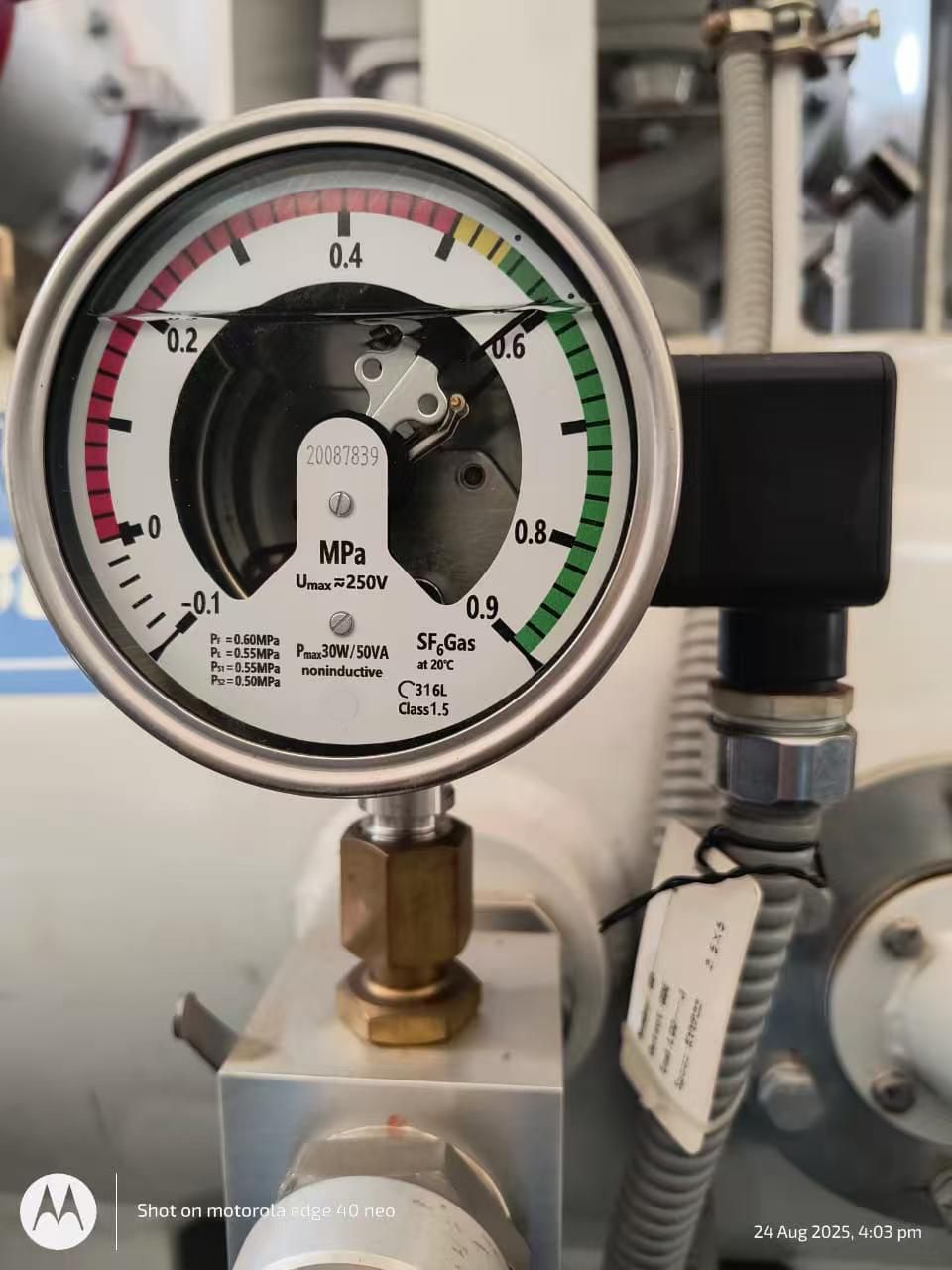
| SF6 gas pressure and density | Density monitor reading, pressure trend, alarm history | Gas density monitor, service record |
| SF6 leak points | Flanges, valves, filling ports, density monitor joints | Portable leak detector |
| Gas handling | Recovery, evacuation, filling, hose and connector match | Service cart, vacuum pump, GIS filling connector |
| Partial discharge | UHF, ultrasonic, TEV or offline test evidence | PD detector or test system |
| Contact resistance | Main circuit contact condition | Micro-ohm test set when available |
| Insulation resistance or withstand | Insulation condition by approved procedure | High voltage test equipment |
| Mechanical operation | Closing/opening time, interlock, drive inspection | Timing record and visual checklist |
| Documentation | Photos, settings, calibration, before/after readings | Maintenance report |
The checklist should be adjusted by voltage class, GIS manufacturer, outage scope, age, and utility rules. Hongzhe's GIS parts category and GIS spare parts replacement solution are useful when the same maintenance job includes connectors, valves, insulators, density monitors, or replacement parts.
SF6 gas handling
Gas handling is often the highest-risk part of the job because poor recovery or wrong connectors can extend the outage. Confirm gas type, compartment volume, target recovery pressure, hose length, valve photos, cylinder plan, and site power supply before the team mobilizes. A SF6 service cart is normally planned with a GIS filling connector, hose set, adapters, and leak detection.
After recovery or filling, record cylinder numbers, gas mass if available, final pressure, density monitor status, and any abnormal leak readings. Do not rely only on a final pressure value; scan flanges, filling valves, density monitor joints, and recent gasket work.
PD and insulation inspection
Partial discharge inspection helps find internal particles, protrusions, spacer defects, floating components, and surface discharge. UHF sensors are common for GIS because the enclosure can carry high-frequency signals. Ultrasonic probes can help locate some surface or mechanical sources. If the project needs formal diagnosis, define whether it follows an online screening route or an offline procedure using the partial discharge measurement category.
Insulation resistance, withstand testing, or other high-voltage checks should follow utility-approved procedures. The RFQ should state voltage class, test voltage, grounding plan, discharge method, report format, and whether the test is part of commissioning, routine service, or fault investigation.
Contact resistance and mechanical records
Contact resistance testing checks the condition of current paths, contacts, and joints. Stable low readings support reliable current carrying; rising or uneven values can indicate loose connection, wear, contamination, or poor contact pressure. Record test current, connection point, temperature if required, and instrument calibration.
Mechanical inspection should include operating mechanism condition, interlocks, gas density monitor mounting, control cabinet status, heaters, auxiliary switches, wiring terminals, and counter readings. Photos are useful when replacement parts must be sourced from drawings or samples.
Maintenance cycle
Routine visual checks may be monthly or quarterly, while detailed outage inspection is often planned annually or by utility interval. Leak response, density alarm investigation, and post-repair verification should happen as events occur. Critical bays and older GIS need tighter trend review than new assets with clean history.
FAQ
Should every GIS outage include PD testing?
Not always. PD screening is valuable for critical bays, abnormal history, commissioning, or after internal work. The method should match sensor access, noise level, and reporting requirements.
What information should a GIS maintenance RFQ include?
Include voltage class, bay count, gas compartment volume, connector photos, gas type, required tests, outage window, standards, destination, and report documents.
Can one team use the same tools for all GIS brands?
Basic test tools may be shared, but gas connectors, valves, density monitor interfaces, and some sensors vary by manufacturer. Confirm photos, drawings, and thread details before shipment.
Request a quote - include GIS voltage class, bay count, SF6 gas volume, connector photos, test list, and outage schedule.