Power Quality Analyzer Buying Guide for Electrical Engineers
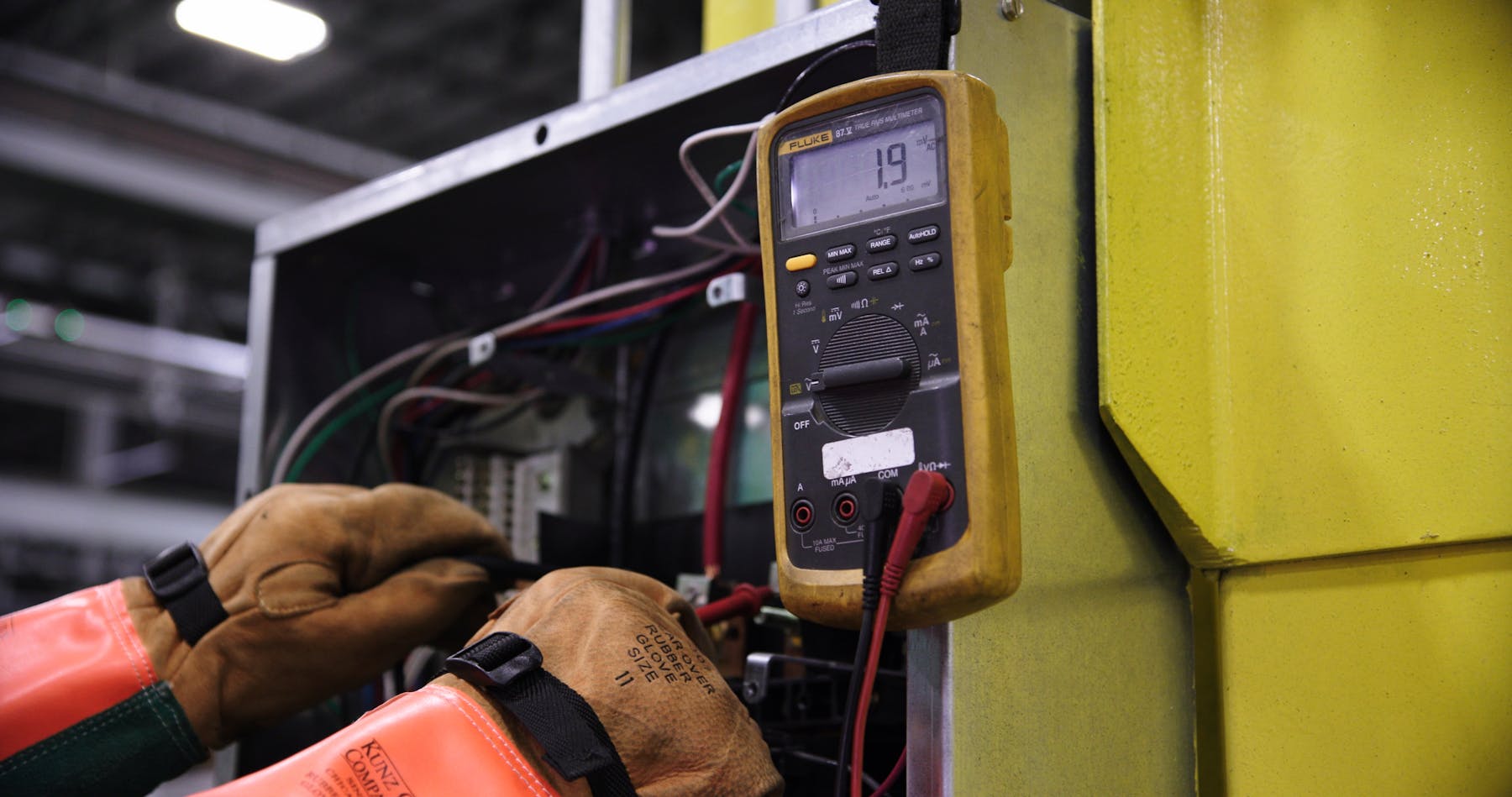
Power quality analyzer selection starts with the measurement problem, not the instrument catalog. Engineers should define harmonics, flicker, voltage events, phase count, accuracy class, logging duration, report format, site safety, calibration records, and software needs before asking suppliers for a quotation.
Direct answer
Power quality analyzer selection starts with the measurement problem, not the instrument catalog. Engineers should define harmonics, flicker, voltage events, phase count, accuracy class, logging duration, report format, site safety, calibration records, and software needs before asking suppliers for a quotation.
What should engineers compare before buying a power quality analyzer?
Power quality analyzer selection starts with the measurement problem, not the instrument catalog. Engineers should define harmonics, flicker, voltage events, phase count, accuracy class, logging duration, report format, site safety, calibration records, and software needs before asking suppliers for a quotation.
A PQ analyzer records voltage, current, frequency, harmonics, unbalance, dips, swells, interruptions, flicker, inrush, and other events that affect electrical reliability. The right instrument depends on whether the team is troubleshooting one complaint, auditing a facility, commissioning equipment, or creating compliance evidence.
For live sourcing context, buyers can connect PQ measurement to the high voltage test equipment category, transformer testing category, and test laboratories use case. These pages help define whether the buyer needs field troubleshooting equipment or a wider diagnostic package.
Measurement parameters to specify
| Parameter | Why it matters | RFQ note |
|---|---|---|
| Voltage and current channels | Three-phase systems need enough inputs for source and load checks | State phase count, neutral, and current clamp range. |
| Harmonics | Drives, inverters, UPS systems, and nonlinear loads create distortion | Ask for harmonic order, THD, and report format. |
| Flicker | Lighting complaints and voltage fluctuation studies need flicker data | Specify short-term and long-term flicker needs. |
| Dips, swells, interruptions | Event capture supports fault and reliability investigation | Define trigger threshold and recording duration. |
| Unbalance | Motor heating and transformer loading can be affected | Ask for voltage and current unbalance calculation. |
| Inrush and transients | Startup and switching events need fast capture | State sampling speed and event waveform requirement. |
| Accuracy class | Compliance studies may require Class A; screening may accept Class S | Name the required standard and report use. |
| Data export | Engineers need trend charts, event lists, and raw records | Ask for software, file formats, and language support. |
Analyzer types
Handheld analyzers are useful for quick troubleshooting, panel checks, maintenance walkdowns, and short recordings. They are easier to carry, but the buyer should confirm screen readability, battery life, clamp options, and whether long logging is practical.
Portable power quality recorders are better for multi-day monitoring, compliance studies, and repeated facility audits. They should support secure mounting, long memory, strong clamps, event triggers, and report software that engineers can actually use.
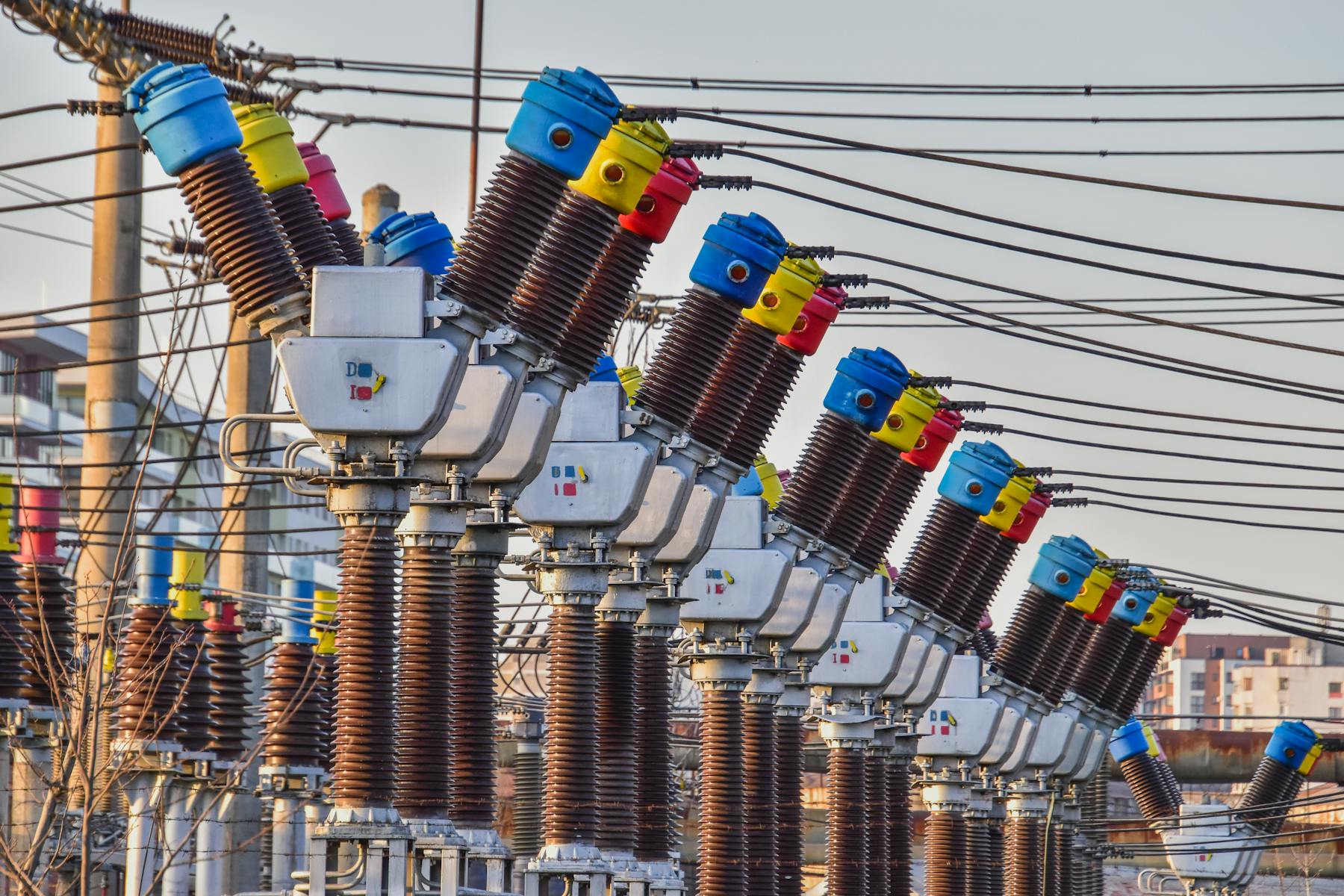
Panel-mounted or permanent monitors may be better for critical feeders, data centers, production lines, and utilities that need continuous records. In that case, communication protocol, alarm output, and integration work should be included in the RFQ.
Class A vs Class S
Class A instruments are used when results must be comparable across parties and suitable for formal compliance or dispute review. They follow stricter measurement methods and time aggregation requirements.
Class S instruments are often used for surveys, troubleshooting, and internal maintenance where screening and trend visibility matter more than formal compliance evidence. They can be cost-effective, but the buyer should not use them for a contract that explicitly requires Class A.
The RFQ should state the standard, report purpose, and who will read the results. A plant engineer troubleshooting nuisance trips may need different evidence than a utility engineer preparing a compliance report.
How to choose for field work
Choose by voltage system and safety first. Confirm nominal voltage, phase count, current range, CAT rating, clamp type, and whether the test point is inside a panel, switchgear room, transformer area, or temporary site.
Choose by logging duration second. A short event can be missed if memory, battery, or trigger settings are weak. State whether the analyzer must record for hours, days, or weeks.
Choose by report workflow third. Engineers should ask for sample reports, exported files, event screenshots, harmonic tables, and whether software licenses are included. A good instrument still fails the project if the report cannot be shared clearly.
Why choose Hongzhe Electrical
Hongzhe Electrical helps buyers define electrical test equipment RFQs around the field problem, not only the instrument name. For PQ projects, that means measurement parameters, accuracy class, channels, clamps, logging duration, safety, and report output.
We can connect PQ analyzer sourcing with transformer tests, high-voltage maintenance, insulation checks, and substation diagnostic programs when a team needs a broader tool package.
Our RFQ review helps procurement and engineering teams compare instruments on the same basis: method, site condition, evidence required, accessories, calibration, and after-sales support.
FAQ
Do I need a Class A power quality analyzer?
Choose Class A when the report must support compliance, dispute review, or formal comparison. For maintenance screening and internal troubleshooting, Class S may be acceptable if the procedure allows it.
How long should a power quality study run?
It depends on the problem. A recurring production issue may need several days or weeks of logging, while commissioning checks may only need a shorter controlled record.
What accessories should be included?
Ask for voltage leads, current clamps, power adapter, battery, mounting kit, software, calibration certificate, carrying case, and any safety accessories needed for the site.
What information should be in the RFQ?
Send system voltage, phase count, current range, measurement purpose, required class, logging duration, report format, software needs, safety rating, and destination.
Request a power quality analyzer quote
Send system voltage, phase count, clamp range, required measurements, Class A or S need, logging duration, report format, accessories, calibration request, and destination.